

Insurance has always been a part of our lives, helping protect people, families, and businesses from unexpected financial losses. Traditionally, it meant filling out paper forms, waiting for approvals, and speaking with agents in person. But the way we buy and manage insurance is changing fast. Digital policies and AI innovations are transforming the industry, making insurance faster, simpler, and more personalized for everyone.
This guide explains what these changes mean for customers and how the future of insurance is shaping up.
Digital Policies: Convenience for Everyone
One of the biggest changes in insurance today is the rise of digital policies. Instead of relying on physical documents, insurance companies now offer online platforms where you can buy, store, and manage policies right from your phone or computer.
Some practical benefits of digital policies include:
- Easy access: You can view your insurance documents anytime, without digging through files or waiting for mail.
- Quick purchasing: Online tools let you compare plans, get quotes, and purchase coverage in minutes.
- Automatic updates: Notifications remind you about renewals, policy changes, or new benefits.
- Paperless management: No more lost forms or clutter—everything is stored securely online.
For customers, this means you spend less time worrying about paperwork and more time focusing on your life, whether it’s planning a trip, buying a home, or managing your family’s health.
How AI is Changing Insurance
Artificial intelligence (AI) is another game-changer. It allows insurance companies to handle large amounts of information quickly, spot patterns, and make better decisions.
Here’s how AI is helping both insurers and policyholders:
- Faster claims: AI can review documents, assess damages, and approve claims faster than humans. This means customers get payouts more quickly.
- Better risk assessment: AI analyzes data like health records, driving habits, or property details to offer fairer and more personalized premiums.
- Fraud detection: AI can spot unusual patterns in claims that might indicate fraud, helping keep costs down for honest policyholders.
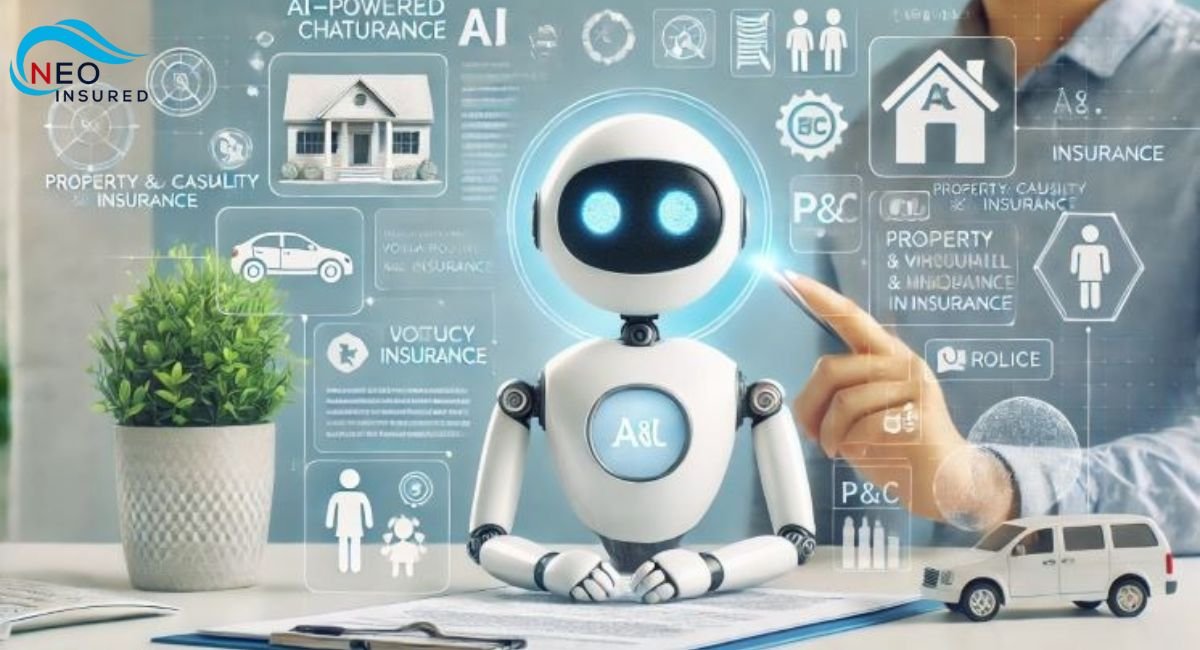
- Customer support: Virtual assistants and chatbots answer questions, guide customers through claims, and provide useful reminders.
AI doesn’t replace human agents entirely—it supports them, letting them focus on more complicated cases while routine tasks are automated.
Combining Digital Policies and AI
The real magic happens when digital policies and AI work together. For example, imagine you file a car insurance claim online after an accident. You upload photos of your car damage through a digital platform. AI then analyzes the images, estimates the repair cost, and begins processing the claim immediately.
Other examples include:
- Health insurance: AI helps schedule appointments, manage prescriptions, and offer telemedicine consultations.
- Travel insurance: Claims for trip cancellations or lost luggage can be processed quickly through AI-powered systems.
- Life insurance: AI helps underwrite policies more accurately, based on lifestyle and health data.
By combining digital tools with AI, insurance becomes faster, easier to understand, and more tailored to individual needs.
Why This Matters for Customers
These innovations offer several clear benefits:
- Time-saving: Claims and approvals happen faster, reducing stress.
- Accessibility: Insurance management can be done anywhere, anytime.
- Personalization: Coverage and premiums match each person’s specific needs.
- Transparency: Digital platforms and AI tools make it easier to track policies and claims.
- Cost savings: Efficient systems help insurers reduce costs, which can help keep premiums lower.
Challenges to Keep in Mind
Despite the advantages, there are still things to consider:
- Privacy: Digital and AI systems rely on personal information, which must be protected carefully.
- Learning curve: Some people may find fully digital systems challenging at first.
- Human touch: Complex cases still need human judgment, so AI cannot fully replace people.
Balancing technology with human support ensures that the system works well for everyone.
Final Thoughts
The future of insurance is digital, fast, and smarter thanks to AI innovations. Policies are easier to access, claims are faster, and coverage is more personalized. For customers, this means less waiting, fewer errors, and more confidence that their insurance will work when needed.
For insurers, digital and AI tools improve efficiency, accuracy, and cost management. By embracing these changes, the insurance industry is moving toward a future that is more convenient, transparent, and customer-friendly.
Whether you are buying health, auto, travel, or life insurance, understanding these trends can help you make better choices and enjoy peace of mind knowing your protection is up to date with modern technology.





Leave a Reply